Monday, 12 February 2018

370--Motivational Movement Book


                                              Front page : Motivational Movement Book

                                                                            
7: Introduction

                                                                    
8: Introduction


9: Introduction

               229:Self-Worth


228:Self-Worth


                                                                                227:Self-Worth


226:Self-Worth

225:Self-Worth

224:Self-Worth


223:Self-Worth

222:Self-Worth

220-221:Self-Worth

218-219:Self-Worth


216-217:Self-Worth


214-215:Self-Worth

212-213:Self-Worth

210-211:Self-Worth

209:Self-Worth
208:Self-Worth
207:Loyality
206:Loyality
205:Loyality
204:Loyality
202-203:Loyality
201:Loyality
200:Loyality
198-199:Kindness
196-197:Kindness
194-195:Kindness
192-193:Kindness
191:Kindness
190:Kindness
188-189:Love
187:Love
186:Love
185:Love
184:Love
183:Love
182:Love
181:Love
180:Love
179:Love
178:Love
177:Love
176:Love
175:Sincerity
174:Sincerity
173:Sincerity
172:Sincerity
171:Sincerity
170:Sincerity
169:Sincerity
168:Sincerity
167:Sincerity
166:Sincerity
164-165:Sincerity
163:Sincerity
162:Sincerity
161:Sincerity
160:Sincerity
159:Sincerity
158:Sincerity
157:Forgiveness
156:Forgiveness
154-155:Forgiveness
152-153:Forgiveness
151:Forgiveness
150:Forgiveness
149:Forgiveness
148:Forgiveness
147:Forgiveness
146:Forgiveness
145:Forgiveness
144:Forgiveness
143:Career
142:Career
141:Career
140:Career
139:Career
138:Career
136-137:Career
134-135:Career
132-133:Career
130-131:Career
128-129:Career
126-127:Career
124-125:Career
123:Career
122:Career
121:Career
120:Career
118-119: Career
117:Career
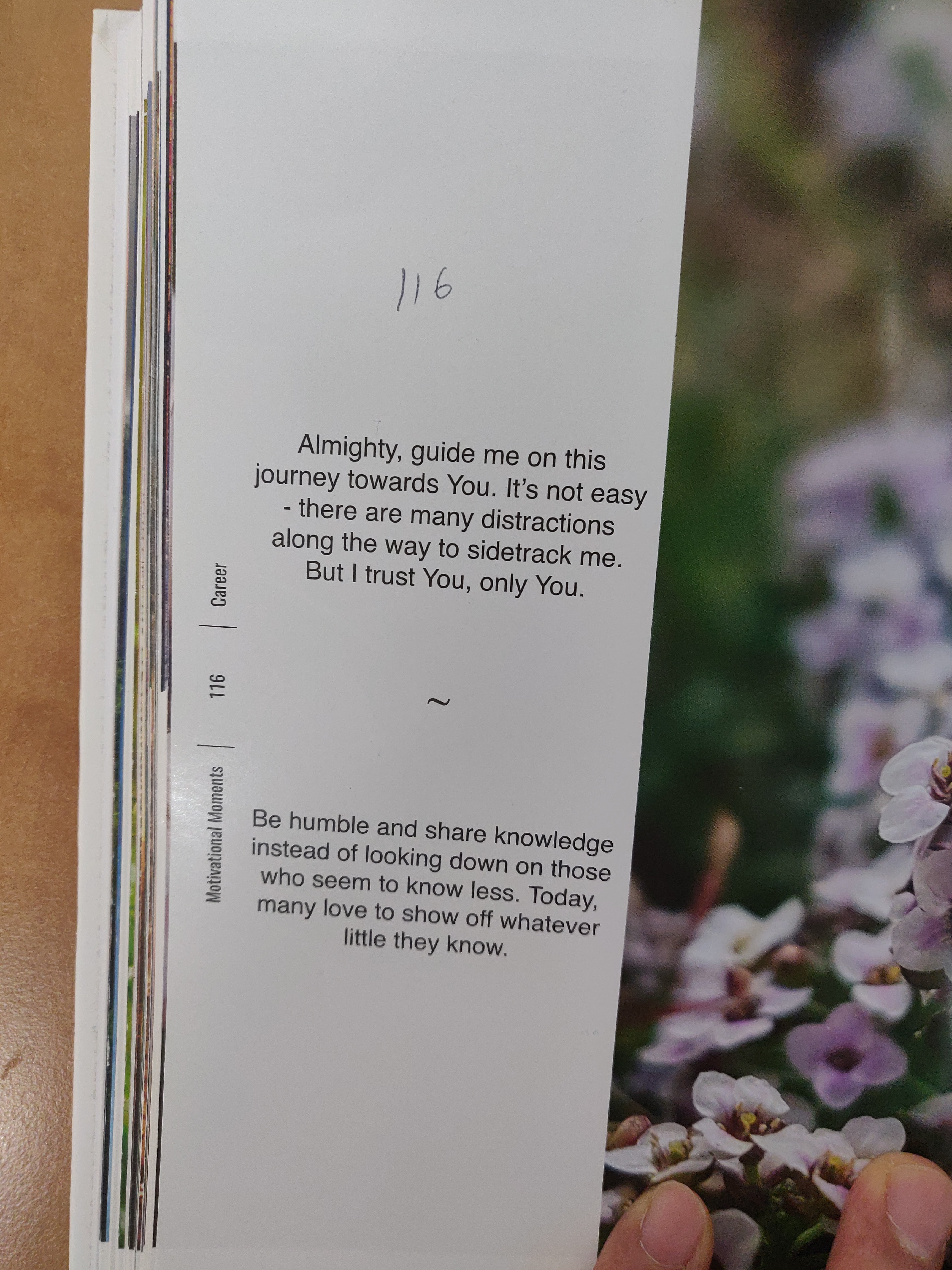
116:Career
114-115:Career
113:Career
112:Career
111:Sadness
110:Sadness
109:Sadness
108:Sadness
107:Sadness
106:Sadness
105:Sadness
105:Sadness
104:Sadness
103:Sadness
102:Sadness
101:Sadness
100:Sadness
99:Sadness
98:Sadness
96-97:Sadness
94-95:Sadness
92-93:Sadness
90-91:Sadness
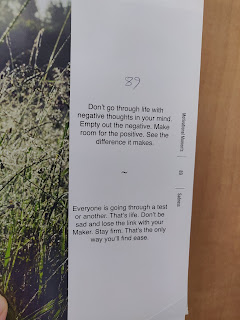
89:Sadness
88:Sadness
86-87:Sadness
85:Sadness
84:Sadness
83:Sadness
82:Sadness
81:Sadness
80:Sadness
79:Repentance
78:Repentance
76-77:Repentance
74-75:Repentance
72-73:Repentance
70-71:Repentance
68-69:Repentance
66-67:Repentance
64-65:Repentance
63:Repentance
62:Repentance
61:Repentance
60:Repentance
58-59:Repentance
56-57:Repentance
54-55:Repentance
52-53:Repentance 
50-51:Repentance 
49:Repentance 
48:Repentance 
47:Repentance 
46:Repentance 
45:Repentance 
44:Repentance 
43:Repentance 
42:Repentance 
41:Repentance 
40:Repentance 
39:Repentance 
38:Repentance  
37:Repentance 

36:Repentance 

35:Patience
34:Patience
33:Patience
32:Patience
31:Patience
30:Patience
29:Patience
28:Patience
26-27:Patience
24-25:Patience
22-23:Patience
20-21:Patience
18-19:Patience
16-17:Patience
14-15:Patience
12-13:Patience
10-11:Patience
9:Patience
7: Introduction
6: Introduction

376--Jannat / Heaven is made with

*Jannat* is made with 
  
1. Bricks of Gold and Silver. 
2. Its cement is of perfumed Musk. 
3. Its chips are pearls and Yaqoot.   
4. Its sand is Zafraan.
*Eight Grades of Jannah*
1.   Jannatul Maawa
2.   Darul Maqaam
3.   Darul Salaam
4.   Darul Khuld
5.   Jannat-ul-Adan
6.   Jannat-ul-Naeem
7.   Jannat-ul-Kasif
8.   Jannat-ul-Firdous
*Food of Jannah*
They will eat foods and fruits continuously up to 40 years. 
Every bowl will have a new taste.
They will take eructation which will digest the food and there will be perfumed sweating for the digestion of water. 
There will be no urine and stool.
*Place Name*
There will be gardens in Jannah. 
Every garden will have the length of about 100 year's journey. 
The shadow of these gardens will be very dense. 
Their plants will be free of thorns. 
The size of their leaves will be equal to ears of elephants. 
Their fruits will be hanging in rows.
Jannatul Mava is in the lowest, 
Jannat-ul-Adan is the middle & 
Jannat-ul- Firdous is on the highest. 

Those who love each other for the sake of Allah will get a pillar of Yaqoot, 
On which there will be seventy thousand (70,000) rooms. 
These will shine for the residents of Jannah as the sun shines for the residents of Duniya.
*Rooms of Jannah*
There will be rooms in Jannah in such a way that every room will have seventy thousand (70,000) dinning sheets. 
On every dinning sheet 70,000 types of foods will be served.
For their service 80,000 young boys will be moving around looking like beautiful scattered pearls.
One bunch of dates will be equal to the length of 12 arms. 
The size of a date will be equal to the big pitcher. 
These will be whiter than milk, sweeter than honey and softer than butter and free
Of seeds. 
The stem of these plants will be made up of gold and silver. 
There will also be gardens of grapes. The bunches of grapes will be very big. 
The size of a single grape will be equal to a big pitcher.
Someone asked, ya Rasulullah (Sallalahu alaihi wasallam):  
will it be sufficient for me and my family. It was answered, it will be sufficient for you and your whole tribe.
*The Dresses of Jannah*
The dress of Jannah will be very beautiful. 
One will wear 70 dresses at a time. 
These will be very fine, delicate, weightless, having different colors. 
These dresses will be so fine that the body even the heart will be visible. 
And the waves of love in the hearts will also be visible. 
These dresses will never become old, never be dirty and will never tear.

There will be four canals in every Jannah. 
  
1  Water 
2.   Milk 
3.   Honey 
4.   Sharabun Tahoora.
There will also be three fountains in  Jannah:
1.   Kafoor 
2.   Zanjabeel 
3.   Tasneem
*Qualities of People of Jannah*
In Jannah, height of every Mo 'min, will be equal to the height of
Hazrat Adam (Alaihissalaam) 60 arms (90 feet). 
Beauty will be like that of Hazrat Yousuf (Alaihissalaam)
Age of youth will be like that of Hazrat Esa (Alaihissalaam) 30-33 years).
Sweetness of voice will be like that of Hazrat Dawud (Alaihissalaam).
Tolerance will be like that of Hazrat Yaqoob (Alaihissalaam)
Patience will be like that of Hazrat Ayyub (Alaihissalaam.)
Habits will be like that of Sayyaduna Muhammad (Sallalahu alaihi wasallam)
*NOTE:* 
  
If a person makes Du'a for Jannah three times, 
Jannah requests Allah that O, Allah; make his entry into Jannah. 
And if a person makes Du'a for safety from Jahannum three times, 
The Jahannnum requests Allah that, O, Allah; save him from Jahannum. 
  
Please pass on and may Allah grant the entire Ummah of Nabi sallalahu alayhi wasallam Jannat ul Firdous Ameen! 
  
Every good act is charity
JAZAK ALLAHU KHAIR-
May Allah Forgive our sins...Ameen
Sending this as its important for all of us to know....

375--17 Types Of Sadaqah Every Muslim Man and Woman Should Know.

17 Types Of Sadaqah Every Muslim Man and Woman Should Know.
Sadaqah is not only linked with money. We often think that taking out money from our earnings are Sadaqah, but there are many ways we can do it!
These are the 17 types we can take out Sadaqah;
1. Dua
If you are just praying for the person who you care about or any person who has asked for you dua.
2. Knowledge.
Spreading knowledge among the people who can’t afford it.
3. Advice.
Giving wise advice to your younger siblings or people who are younger than you.
4. To smile at your Muslim brother.
Talking, meeting and greeting the people you meet.
5. Help.
Help the poor and help the people who can not help themselves. Solving people problems can also be the thing you can do.
6. Time.
Taking time out for the parents and your wife/husband is also a sadaqah.
7. Tarbiyyah.
Nurture (Tarbiyyah), growing up your kids well mannered is also a sadaqah.
8. Patience over difficult times.
Be very patient, do not yell about your problems to anyone. Allah will solve them for you.
9. To advise for good.
Advice your misguided friends to be on the Path of Allah.
10. To stop from evil.
Do not plan the bad thing, do not hurt or kill any living thing.
11. To talk softly.
Do not be harsh and Rude, Allah does not like Arrogant people.
12. To forgive.
Forgive the people who ask for your forgiveness.
13. To give respect.
Giving respect to elders and youngsters as well as giving credit to the people who deserve it.
14. To be a part of someone’s happiness.
Being happy in someone else’s happiness, DO NOT BE JEALOUS!
15. To visit the sick.
Visiting the sick is also the sunnah of our beloved Prophet (SAWW)
16. To remove harmful things from the path.
Such as removing the stone that comes to your way.
17. To guide someone on the right way.
Guiding means, if someone you see is misguided, then guiding that person to right path.
Sharing this is also a Sadaqah!

374-- Index of Mobile phone memorization home work

 Mobile phone memorization home work:

Ar.Asmaul Husna:  Learn Meaning of 99 names of Allah.

Ar.Isla.Phrases:  Learn Islamic phrases in Arabic and with translation of English.

Ar.Kalimah: Learn all kalimah in Arabic and with translation of English.

Ar.Quran:  Learn Quran translation Arabic to English & 5 long juz (long Suras) in Arabic.

Ar.Tajweed:  Leran Quran all Tajweed ruiles teach by immam & Ahsaul qaida Juz amma 38 suras word by word teach by Immam.

Ba.Easy to Learn Bangla:  Learn Easy to learn Bangla books recorded sound of   alphabet,numbers,pronunciation,sign of vowels etc.

Ba.Easy to Learn Bangla: Learn Easy to learn Bangla books recorded sound of   alphabet,numbers,pronunciation,sign of vowels etc.

Ba.Mix: Learn Bangla books recorded sound of days,numbers,alphabet,spelling and YouTube Bangla Alphabet videos.

Ba.Modern.Bangla: Learn Modern Bangla books recorded sound of  alphabet,numbers,Bangladesh country identity etc.

Ba.Sylheti: Learn Recorded sound of conversation of Sylheti Bangla.

Ba.Tence: Learn Recorded sound of conversation of standard English-Bangla Tense chart for learning Bangla 
conversation.

Ba.22.Lessons: Learn Sound of conversation from Youtube,Standard Bangla-English conversation 22 lessons. Also Bangla alphabet recorded sound.

D.Anxiety: Learn Dua for anxiety, stress, fear etc.

D.Ex.Rem.Allah: Learn Dua for excellent of remembering of Allah for reciting anytime.

D.Heaven: Learn Daily practicing dua which will grant you heaven Inshaallah, according to hadith recommended by East London Immam.

D.Knowledge: Learn Recorded Sound of18 Knowledge Dua.

D.Others.Mix:  Learn combined dua for shifa, combined dua after prayer, and others mix duas.

D.Rabbana: Learn 40 Rabbanas dua from Quran teach by Allah.

D.Shahriyar: Learn, It is for Shahriyar recommended dua for reciting anytime for get help from Allah for shifa and illness etc.

D.Shifa: Learn 10 Shifa dua collected form Quran and Hadith.
 
D.Speak.Knowledge: Learn, recommended dua for reciting anytime for get help from Allah for shifa from illness and increase knowledge etc.

E.Days.Month: Learn English, Bangla, Arabic, days & months.

E.Tence: Learn english New Tence chart recorded sounds, present, past & future Tense.

Forthress.(All): Learn Forthress of the Muslim book all duas recorded sound. Invocation’s form Quran and Sunnah.

Juz.Amma: Learn 38 Juz Amma suras sorted by 1 ,2,3 suras per folder and by different Immam for Shfaat memorization.

Morning Dua: Learn Recommended Morning and Evening Duas Taches by Prophet MSAWS.

Multification: Learn 1-20 Multification time table, Recorded By Shafaat,Youtube Teacher & E.R and also number counting by half.

M.Count.By: Learn number count by  gap of 2,5,10 & backwoards.

M.Measure: Learn the formula of Quarters,Measure,Waight,Grains,Inch,Square,Time,Millinons etc.

Nashed:  Collection of selected Nasheds.

Nashed.Shafaat: Learn Educational and meaningful Nasheds for Shafaat & Shahriyar.

Numbers: Learn counting Arabic,Bangla & English numbers.

Ruqyah: Learn Ruqyah, selected verse of Quran for recover from Illness and protection from Jin.

Sa.Ablution: Learn compulsory ablution duas.

Sa.Adakar: Learn all Adakar Duas, which should be recited after finished or the prayer.

Sa.Adhan: Learn Adhan meaning,after Adhan Dua,and Iqaamah and its meaning.

Sa.Af.Tashahhud: Learn what to recite during the Tashahhud time (Attahiatu to untill Salam).

Sa.Arabic.E: Learn how to pray complete one unit of Salah. And full arabic Salah by individual of 39 tracks.

Sa.D.Af.Pray: Learn how to make Dua (pray for yourself) after Adakar in individual 36 of tracks.

Sa.Funeral: Learn how to pray funeral Salah including 3 duas.

Sa.Me.E&B:  Learn full Salah mening in Arabic to English word by word, saved by Gap & No Gap folder. In the mix folder saved full one unit of by Immam in Arabic and also some tracks of Tashahhud.

Sa.Other.Mix: Learn following: Abolution Dua, Adhan mening,Adakar,Amanar rasulu,Tashahhud,
Bismillahir dua,forgiveness Dua,Huallazi Surah,Dua after salah,One unit of salah,Iqama.

Sa.Quonnot:  Learn 3 Dua Quonnots needs to recite on Witr Salah. Also recited by immam.

Sa.Surah.Mix: Learn 11 Suras needs to recite on Salah in Arabic by different immam, and Surah translation Arabic to English.

Sleep.Time: Learn what to recite before go to sleep by folder Mon to Fri, also individual tracks for memorization on Sleep.E folder. Also Surah al Bakarh.
 

373--The rights of one Muslim over another

The rights of one Muslim over another include those that are obligatory and those that are mustahabb


We know the hadeeth of the Messenger (blessings and peace of Allah be upon him) about the rights of one Muslim over another. My question is: Will we be sinning if we do not fulfil one of these rights towards our Muslim brother? i.e., will we incur a burden of sin thereby?.
Published Date: 2012-07-09
Praise be to Allaah.
The rights that one Muslim has over another are many, some of which are individual obligations that are required of each person, and if he fails to do them he is sinning. Others are communal obligations; if some people do them, the burden of sin is waived for the rest. And some are mustahabb (encouraged) but not obligatory, so the Muslim is not sinning if he does not do them. 
Al-Bukhaari (1240) and Muslim (2162) narrated that Abu Hurayrah (may Allah be pleased with him) said: I heard the Messenger of Allah (blessings and peace of Allah be upon him) say: “The rights of one Muslim over another are five: returning the greeting of salaam, visiting the sick, attending funerals, accepting invitations, and saying yarhamuk Allah (may Allah have mercy on you) to one who sneezes.” 
And Muslim (2162) narrated from Abu Hurayrah (may Allah be pleased with him) that the Messenger of Allah (blessings and peace of Allah be upon him) said: “The rights of one Muslim over another are six.” It was said: What are they, O Messenger of Allaah? He said: “If you meet him, greet him with salaam; if he invites you, accept the invitation; if he asks for advice, give him sincere advice; if he sneezes and praises Allaah, say Yarhamuk Allaah (may Allaah have mercy on you); if he falls sick, visit him; and if he dies, attend his funeral.” 
Ash-Shawkaani (may Allah have mercy on him) said: What is meant by the words “The rights of the Muslim” is that they should not be omitted and doing them is either obligatory, or recommended to such an extent that it is very similar to being obligatory and should not be omitted. The word “right” (haqq) may be used in the sense of obligatory, as was mentioned by Ibn al-A‘raabi.
End quote from Nayl al-Awtaar, 4/21 
1.
Returning the greeting of salaam is obligatory if the greeting is given to one person. If it is given to a group, then it is obligatory upon the group (fard kifaayah or communal obligation; if one of the group returns the greeting, the obligation as been met). With regard to initiating the greeting, the basic principle is that it is Sunnah. It says in al-Mawsoo‘ah al-Fiqhiyyah (11/314): 
Initiating the greeting is Sunnah mu’akkadah (a confirmed Sunnah) because the Prophet (blessings and peace of Allah be upon him) said: “Spread the greeting of salaam amongst yourselves.” It is obligatory to return the greeting if it is given to one person. If the greeting is given to a group, then in their case responding is a fard kifaayah (communal obligation); if one of them responds the sin is waived from the others, but if they all respond, they have all done what is required, Whether they respond all together or one after another. If they all refrain from responding, then they are all sinning because of the report which says: “The rights of one Muslim over another are five: returning (the greeting) of salaam…”
End quote. 
2.
Visiting the sick it is a communal obligation. Shaykh Ibn ‘Uthaymeen said: 
Visiting the sick is a fard kifaayah (communal obligation). 
Majmoo‘ Fataawa wa Rasaa’il Ibn ‘Uthaymeen, 13/1085 
See also the answer to question no. 71968
3.
Attending funerals is also a fard kifaayah (communal obligation). See the answer to question no. 67576 
4.
With regard to accepting invitations, if the invitation is to a wedding feast, then the majority of scholars are of the view that it is obligatory to accept unless there is a legitimate shar‘i reason not to do so. If it is for something other than a wedding feast, the majority are of the view that it is mustahabb. But there are conditions for accepting invitations in general terms. For details of that please see the answer to question no. 22006 
5.
With regard to saying Yarhamuk Allah (May Allah have mercy on you) to one who sneezes, there is a difference of opinion concerning the ruling. 
It says in al-Mawsoo‘ah al-Fiqhiyyah, 4/22: 
This saying Yarhamuk Allah (May Allah have mercy on you) is Sunnah according to the Shaafa‘is. 
According to the Hanbalis and the Hanafis, it is obligatory. 
The Maalikis said – and it is an opinion among the Hanbalis – that it is a communal obligation. It was narrated from al-Bayaan that the stronger view is that it is an individual obligation (fard ‘ayn), because of the hadeeth: “It is the duty of every Muslim who hears him (the one who sneezes) to say: Yarhamuk Allah (may Allah have mercy on you). End quote 
The more correct opinion is that it is obligatory on the one who hears the sneezer praise Allah (by saying “Al-hamdu Lillah”), because of the report narrated by al-Bukhaari (6223) from Abu Hurayrah (may Allah be pleased with him) from the Prophet (blessings and peace of Allah be upon him) who said: “Allaah likes the act of sneezing and dislikes the act of yawning, so if any one of you sneezes and praises Allaah (says ‘al-hamdu Lillaah’), it is a duty on every Muslim who hears him to say to him, ‘Yarhamuk Allaah (may Allaah have mercy on you).’” 
Ibn al-Qayyim (may Allah have mercy on him) said: We have quoted above the hadeeth of Abu Hurayrah, in which it says: “if any one of you sneezes and praises Allaah (says ‘al-hamdu Lillaah’), it is a duty (haqq) on every Muslim who hears him to say to him, ‘Yarhamuk Allaah (may Allaah have mercy on you).”. al-Tirmidhi included the hadeeth of Anas under the heading: Chapter on what was narrated about it being obligatory to say Yarhamuk Allah (may Allah have mercy on you) when one who sneezes says Al-hamdu Lillah (Praise be to Allah). This indicates that it is obligatory in his view, and this is the correct view, because of the hadeeths that clearly indicate that it is obligatory and there was nothing to contradict that, and Allah knows best. 
One of them is the hadeeth of Abu Hurayrah mentioned above, and another is his other hadeeth, “There are five (rights) that the Muslim has over his brother,” which is also mentioned above. Another is the hadeeth of Saalim ibn ‘Ubayd, in which it says: “Let those who are with him say to him: Yarhamuk Allah(may Allah have mercy on you).” And another is the report narrated by at-Tirmidhi from ‘Ali who said: The Messenger of Allah (blessings and peace of Allah be upon him) said: “The Muslim has six (rights) over his fellow-Muslim: he should greet him with salaam when he meets him; he should respond when he invites him; he should say Yarhamuk Allah (may Allah have mercy on you) if he sneezes; he should visit him if he falls sick; he should attend his funeral if he dies; and he should love for him what he loves for himself.” He (at-Tirmidhi) said: This is a hasan hadeeth. It was also narrated via another isnaad from the Prophet (blessings and peace of Allah be upon him). Some of the scholars spoke negatively about al-Haarith al-A‘war (one of the narrators). In the same chapter it is also narrated from Abu Hurayrah, Abu Ayyoob, al-Bara’ and Abu Mas‘ood. And another of these hadeeths is that which was narrated by at-Tirmidhi from Abu Ayyoob, according to which the Messenger of Allah (blessings and peace of Allah be upon him) said: “If one of you sneezes, let him say Al-hamdu Lillah (praise be to Allah); and let him say ‘ala kulli haal (in all circumstances). And let the one who responds to him say: Yarhamuk Allah (may Allah have mercy on you). And let him say: Yahdikum Allahu wa yuslih baalakum(May Allah guide you and set your affairs straight). 
There are four kinds of proof in the hadeeth quoted above (“if any one of you sneezes and praises Allaah (says ‘al-hamdu Lillaah’), it is a duty (haqq) on every Muslim who hears him to say to him, ‘Yarhamuk Allaah (may Allaah have mercy on you)”):
(i)                there is a clear statement that it is obligatory to say Yarhamuk Allah (may Allah have mercy on you), which cannot be interpreted in any other way;
(ii)              it is made obligatory by use of the word haqq (translated above as duty);
(iii)            it is made obligatory by use of the word ‘ala (on). This word clearly means that it is obligatory
(iv)            it is enjoined. There can be no doubt that there are many duties that are proven to be obligatory on the basis of less evidence than this. And Allah knows best. 
End quote from Haashiyat Ibn al-Qayyim ‘ala Sunan Abi Dawood, 13/259 
He also said: The apparent meaning of the hadeeth mentioned above is that saying Yarhamuk Allah is an individual obligation upon everyone who hears the one who sneezed say Al-hamdu Lillah; it is not acceptable for just one of them to say it. This is one of the two scholarly opinions, which was favoured by the Maalikis Ibn Abi Zayd and Abu Bakr ibn al-‘Arabi, and it cannot be otherwise. 
End quote from Zaad al-Ma‘aad, 2/437 
6.
With regard to giving him advice if he asks for it, it is most likely that offering advice is a communal obligation. 
Ibn Muflih (may Allah have mercy on him) said: 
The apparent meaning of the words of Ahmad and our companions is that it is obligatory to offer advice to the Muslim, even if he does not ask for it, as is the apparent meaning of the reports. 
End quote from al-Adaab ash-Shar‘iyyah by Ibn Muflih, 1/307 
Al-Mullah ‘Ali al-Qaari (may Allah have mercy on him) said: 
“If he asks you for advice” means if he asks you for advice, then give it to him; it is obligatory. It is also obligatory to give advice even if he did not ask for it. 
End quote from Mirqaat al-Mafaateeh, 5/213 
al-Haafiz Ibn Hajar (may Allah have mercy on him) said: 
It is clear that what is meant by “duty” (haqq) here is that it is obligatory. This is different from the words of Ibn Battaal who said that what is meant is the duty of respect and companionship. It seems that what is meant here is that it is a communal obligation. 
End quote from Fath al-Baari, 3/113 
And Allah knows best.

372--FINAL BEQUEST, MY DEAR CHILD - A PLEA FROM THE GRAVE

FINAL BEQUEST

MY DEAR CHILD - A PLEA FROM THE GRAVE

My Dear Child,

You will be reading this after my death. Please read the following as though I am addressing you from my Qabr. I may now be lying within a space of approximately two meters by one meter. All around me is sand except for the pieces of wood above supporting the load of sand. That too is weakening and the entire load of sand may soon fall directly on me.

Be assured that I loved you. My heart and soul was concentrated on you from the time Allah Ta’āla granted you to me. Your beautiful and innocent smile reminded me of Allah Ta’āla’s beauty. Your cry caused me immense pain and I went out of my way to comfort you. As you grew and attended Madrasah to learn the name of Allah Ta’āla, the Qur’an and how to perform Salah, you represented an investment to me far greater than any other worldly investment I may have left behind. You would make duas and seek forgiveness on my behalf when I would be unable to do so.

My dear child, that day has come. You are on the face of the earth and I may be lying paralysed in its belly. How true is the Hadith of Rasulullah (Sallallahu Alayhi Wasallam) that a person in a grave is like a drowning person. He awaits the rewards from his beloved. Dear child, I cannot utter a single Subhanallah. You are my flesh and blood. I love you and if you really love me, I implore you to do the following five things

Be obedient to Allah Ta’āla, that is the greatest reward for you. I am informed of whatever you do; your good deeds please me and your bad deeds cause me pain.

Dear child, I know the pain of my death and my absence will gradually decrease and you will carry on with your life. Don’t let engagement of the world make you oblivious of death. Think of me regularly and know that your day will come soon. Do remember death and do prepare for it, send Surah Yaseen every day for me. I will look forward to receiving it.

If you can, give some Sadaqah and charity to the poor and needy on my behalf. Allah Ta’āla gave you wealth. If you really love me, give Sadaqah on my behalf.

 I am lonely in the Qabr. Come and visit me and make Salaam to me. You may not see me or hear me, but Insha’Allah I may see you and hear you. Your standing beside me and making dua at my Qabr will invoke Allah Ta’āla’s mercy on both of us.

Remember, we are from Allah Ta’āla and to Allah Ta’āla is our return. We are merely travellers for a brief moment but our actions here will determine our future for ever.

Dear child, exercise patience. We will meet in the Akhirah Insha’Allah. For that, guard yourself against Shaytaan and his tricks and ensure you live with Imaan and die with Imaan.

Mufti Ebrahim Desai (Hafidhahullah).

*****************************


7 types of Saving accounts to accumulate continuous Sawab for the Hereafter: 

1. Learn Knowledge and teach it

2. Leaving righteous offspring 

3. Read Quran and Give copies to others

4. Build Masjid

5. Give shelter to the travellers

6. Give water to other people (Build water well) 

7.  Give Charity when in good health.

(Ibn Majah)

371-- Following simple deeds will take us heaven.

 371-- Following simple deeds will take us heaven. from East London Masjid Immam.


369

368

367

366

365

364

363

362

361

360

359

358

357

356

355

354

353

352

351

350

349

348

347

346

345

344

343

342

341

340

339

338

337

336

335

334

333

332

331

330

329

328

327

326

325

324

323

322

321

320

319

318

317

316

315

314

313

312

311

310

309

308

307

306

305

304

303

302

301